DIY Backyard Chicken Coop Run
Highlighted under: Natural Healthy Meals Recipes
I’ve always dreamed of having my own backyard chickens, and building a chicken coop run was an essential part of that dream coming true. After researching various designs and considering the unique needs of my flock, I settled on a cozy yet spacious run that provides both safety and freedom. Constructing it was not only rewarding but also a fantastic way to ensure my hens have a comfortable environment to roam. With a few simple materials and tools, I transformed an area of my yard into a perfect chicken paradise.
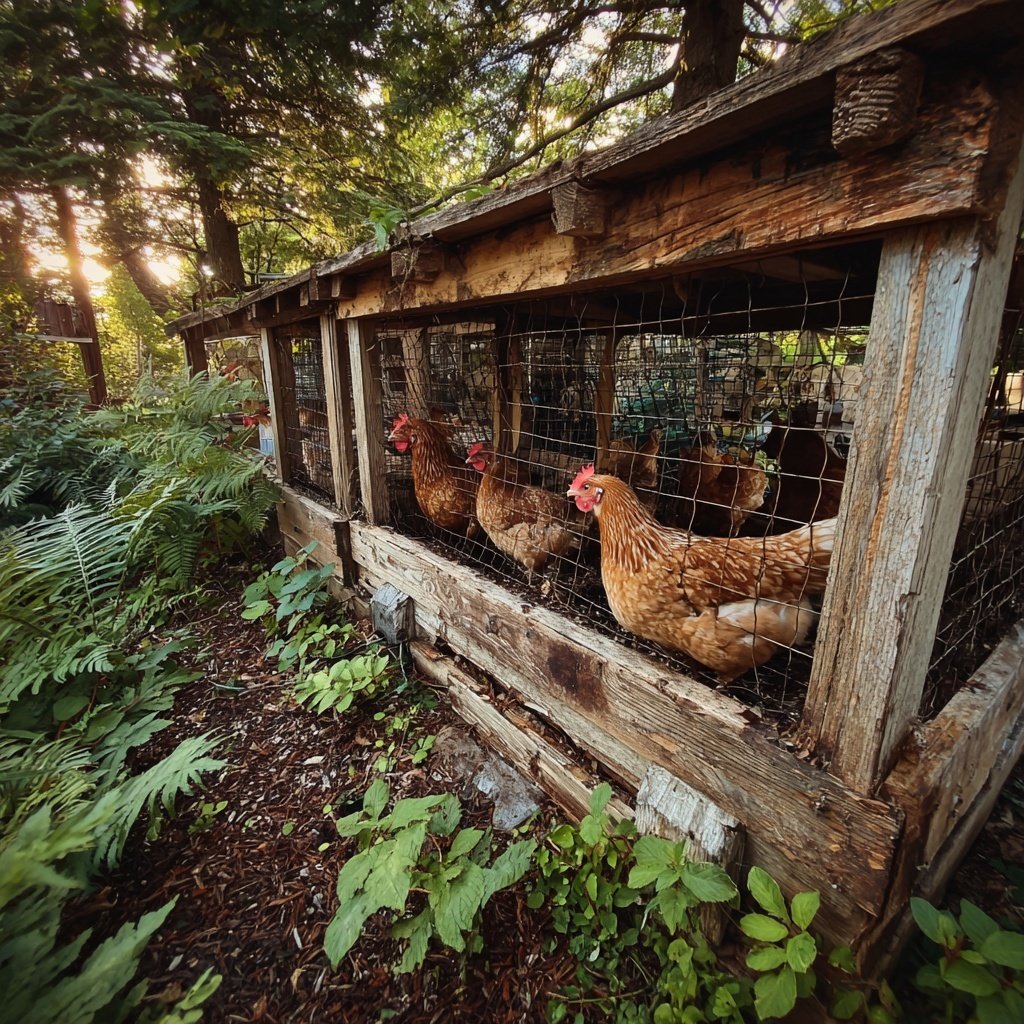
When I first dove into building the chicken run, I underestimated the construction process. I spent a lot of time planning and sketching to ensure I was making the best use of space. One key detail I discovered was that having a covered area keeps the hens safe from aerial predators while still allowing them to enjoy the sun. This made a huge difference in their behavior!
After completing the coop, I noticed how much happier the hens were to have their own space to explore. I installed roosting bars and provided some natural elements like branches for them to play with. Now, my backyard feels like a small farm, and I love watching my flock thrive in their new home!
Why You Will Love This Project
- Creates a safe and secure environment for your chickens
- Encourages natural behaviors and happiness in your flock
- Enhances your backyard's aesthetic appeal while being functional
Designing Your Coop Run
When planning your chicken coop run, consider factors such as the local climate, space for your chickens to roam, and potential predators in your area. A good rule of thumb is to allocate at least 10 square feet per chicken. This allows them ample space to stretch their legs and engage in their natural behaviors. Incorporate additional features like shade from trees or a covered area to keep them protected from harsh sun or rain.
Make sure to include plenty of ventilation in your design, especially if you live in a humid climate. A well-ventilated run helps prevent the buildup of harmful gases and keeps your flock healthy. Windows or mesh panels can aid air circulation while also keeping out predators. Ensure you can easily access all areas of the run for cleaning and monitoring the chickens' well-being.
Construction Tips
While building the frame, it's essential to use treated wood or rot-resistant materials to extend the life of your chicken coop run. I recommend using 4x4 wooden posts for sturdiness, especially if your area experiences high winds or heavy snowfall. Assemble the frame at least 6 feet tall to allow you to move comfortably within the run and avoid bumping your head during maintenance.
When attaching the wire fencing, choose a sturdy gauge that can withstand attempts by small animals to invade. I suggest a 1-inch mesh as it not only keeps chickens in but also repels most predators. For added security, you can bury an extra foot of fencing underground. This prevents diggers such as raccoons or foxes from gaining entry into your coop.
Materials Needed
Materials
- Wooden posts
- Wire fencing
- Wooden planks
- Roofing material
- Chicken door
- Tools (saw, hammer, nails, staple gun)
Tools to Consider
Building Steps
Plan Your Design
Start by sketching your ideal chicken run layout, considering the space available and the number of chickens you want to accommodate.
Gather Materials
Collect all listed materials and tools before starting. This helps streamline the building process.
Build the Frame
Construct a sturdy frame using wooden posts, ensuring it is tall enough for you to enter the coop comfortably.
Install Fencing
Attach wire fencing to the frame securely; make sure to bury some inches of the fence underground for predators.
Add Roof Covering
Cover the top with appropriate roofing material to protect your hens from rain and predators.
Create Access Points
Install a chicken door for easy access and a human-sized door for maintenance.
Final Touches
Add roosting bars, nesting boxes, and any toys for your chickens to enjoy.
Maintenance Tips
Pro Tips
- Make sure to regularly check the integrity of the run and replace any damaged materials to keep your chickens safe.
Maintaining Your Coop Run
To keep your coop run in optimal condition, regular maintenance is key. Aim to clean out the run at least once a week, removing any waste or uneaten food to prevent flies and odors. Check the fencing regularly for any signs of wear or damage, especially after heavy storms or extreme weather that can shift the structure.
Consider investing in a deep litter system using straw or wood shavings on the floor of the run. This not only helps manage waste but also encourages beneficial microorganisms, making your chickens healthier. When the bedding gets soiled, you can simply top it off, and replace it entirely every few months depending on the number of chickens.
Enhancing Chicken Comfort
Chickens thrive in a stimulating environment. Adding elements like roosting bars at varying heights and nesting boxes around the run can keep your flock engaged and happy. My hens particularly enjoy using different levels to roost; they tend to choose their favorite spots based on their mood and the time of day.
Don't forget to include enrichment items such as toys or dust-bathing areas. Chickens love to scratch and peck, so scattering treats or ground grains in the litter can provide hours of entertainment. Just be sure to monitor their intake, as excess treats can lead to imbalances in their diet.
Questions About Recipes
→ How much space do chickens need in a run?
A general rule is at least 10 square feet per chicken in the run.
→ Can I build a chicken run on uneven ground?
Yes, but ensure to level the area as much as possible and adjust the height of the frame accordingly.
→ What materials are best for a chicken run?
Use sturdy wood for the frame and strong wire fencing to withstand weather and predators.
→ How long will it take to build a chicken run?
Depending on your skill level and size of the run, it could take anywhere from a few hours to a full weekend.
DIY Backyard Chicken Coop Run
Created by: Florence Keaton
Recipe Type: Natural Healthy Meals Recipes
Skill Level: Beginner
Final Quantity: 1 unit
What You'll Need
Materials
- Wooden posts
- Wire fencing
- Wooden planks
- Roofing material
- Chicken door
- Tools (saw, hammer, nails, staple gun)
How-To Steps
Start by sketching your ideal chicken run layout, considering the space available and the number of chickens you want to accommodate.
Collect all listed materials and tools before starting. This helps streamline the building process.
Construct a sturdy frame using wooden posts, ensuring it is tall enough for you to enter the coop comfortably.
Attach wire fencing to the frame securely; make sure to bury some inches of the fence underground for predators.
Cover the top with appropriate roofing material to protect your hens from rain and predators.
Install a chicken door for easy access and a human-sized door for maintenance.
Add roosting bars, nesting boxes, and any toys for your chickens to enjoy.
Extra Tips
- Make sure to regularly check the integrity of the run and replace any damaged materials to keep your chickens safe.
Nutritional Breakdown (Per Serving)
- Calories: 0 kcal
- Total Fat: 0g
- Saturated Fat: 0g
- Cholesterol: 0mg
- Sodium: 0mg
- Total Carbohydrates: 0g
- Dietary Fiber: 0g
- Sugars: 0g
- Protein: 0g